


.png)

AirSmart vs Traditional Ducted Air Conditioning: What's the Difference?


Government Rebates Now Available on Energy-Efficient Air Conditioners when Replacing your Gas Heater.

Compare AirSmart vs ducted air conditioningwith Oz Air Group, covering duct space, outlets, zoning and air purificationfor Melbourne homes.
This is not a comparison between a ductedand non-ducted system. Both approaches can distribute conditioned air throughducts. The practical differences are found in the proposed duct network, outletdesign, controls, air treatment and how the system is integrated into thebuilding.
AirSmart and Conventional Ducted Design
A conventional ducted air conditionergenerally uses a central indoor unit connected to supply and return ductwork.Ceiling or wall outlets distribute heated or cooled air throughout the selectedrooms.
AirSmart IES also uses centralised airdelivery, but it is presented as an integrated indoor environment system with acompact duct network, discreet outlet options, thermal zoning and built-in airpurification. The official AirSmart solutions overview positions IES as one option within a wider range designed fordifferent building types and applications.
Conventional ducted systems can alsoprovide zoning and discreet outlets. We therefore compare the proposed layoutsand included features for the same home rather than assuming one categoryalways provides a particular result.
Duct Space and Architectural Integration
Standard flexible ductwork can require substantialroof space, particularly where several branches cross framing or otherservices. The available cavity height, roof structure and indoor-unit positiondetermine whether a conventional design can be routed effectively.
AirSmart’s compact ducting can createadditional routing options. Round, linear and selected concealed outlets mayalso help coordinate air delivery with lighting, joinery and ceiling details.Equipment, return air and maintenance access still need practical locations.
Zoning and Air Purification
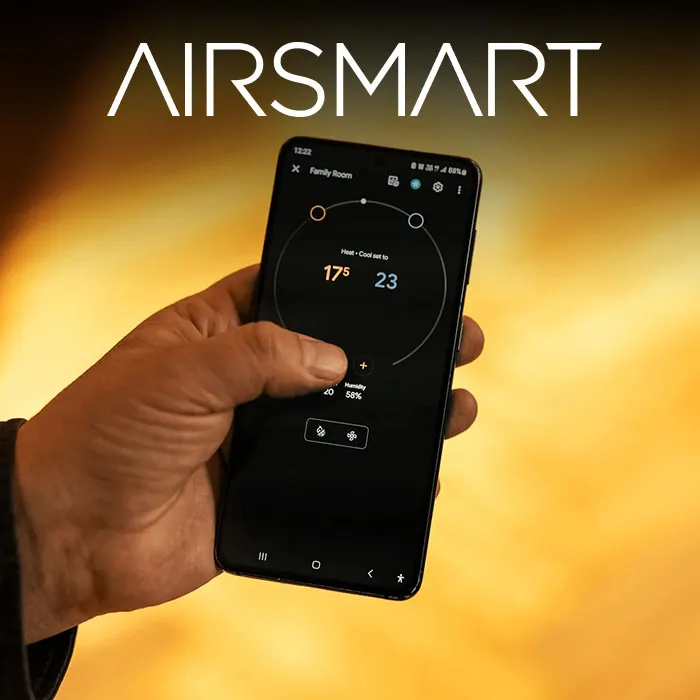
Both approaches may provide zoning whensuitable equipment and controls are selected. AirSmart describes advancedthermal zoning intended to give individual spaces independent control withoutdisrupting overall system balance.
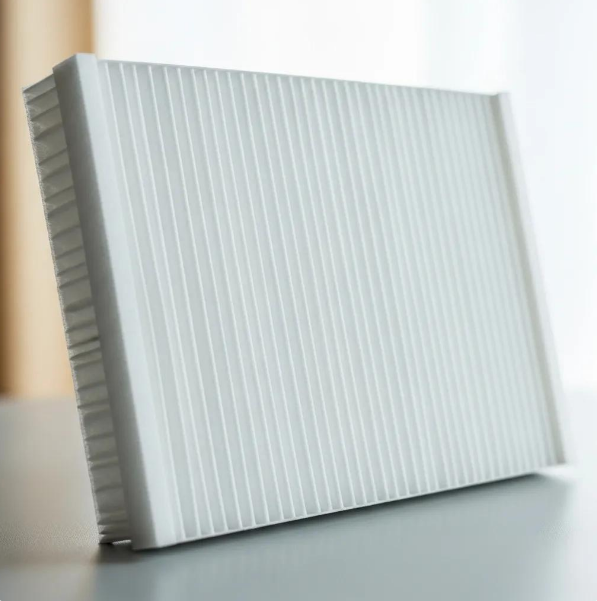
AirSmart IES also incorporates three-stagepurification using MERV-13 filtration, UV-C and PCO. Filtration in conventionalducted systems varies between products and proposals, so homeowners shouldcheck exactly what is included rather than comparing labels alone.
Installation Factors to Compare
A meaningful comparison should address roofspace, indoor and outdoor equipment locations, outlet appearance, room loads,zone requirements, acoustics and future servicing. The quote should alsoidentify electrical work, drainage, commissioning and any removal of existingequipment.
Ask to see where the indoor unit,return-air point and principal duct runs are proposed. A clear layout makes iteasier to compare usable ceiling space, visual impact and access requirements,rather than deciding from equipment names or headline features alone.
Review our AirSmart installation service and ducted air conditioning service to understand the two installation pathways available through OzAir Group.
Choosing a System for Your Melbourne Home
Conventional ducted air conditioning maysuit a home with workable service space and standard outlet requirements.AirSmart may be worth considering when compact ducting, architecturalintegration or integrated purification has greater priority.
We assess the property and comparepractical layouts before recommending an approach. ContactOz Air Group to discuss which ductedsolution could suit your Melbourne home.
Areas we service
Oz Air covers Melbourne and its northern suburbs.

Get in touch



.png)