


.png)

What's an Air Con Capacitor?


Government Rebates Now Available on Energy-Efficient Air Conditioners when Replacing your Gas Heater.
An air con capacitor is a small electrical bit that stores and quickly releases energy to help your air con motors kick off and run smoothly. It gives the compressor and fan motors that extra oomph they need when starting up and helps them run efficiently afterwards. In this guide, Ozair Group explains capacitors in plain language, outlines common failure signs, and stresses safety first steps so folks at home can spot problems without trying dangerous repairs. Many cooling issues trace back to a failing capacitor, humming sounds, failed starts, or reduced cooling are typical, so understanding what a capacitor does helps you prioritise repairs and protect costly parts like the compressor. We cover the capacitor’s core function, the main types (start, run, dual), how to recognise failure, safe testing practices, when replacement is necessary, and preventative maintenance. Throughout, we use terms like "capacitor", "air con capacitor", "start capacitor", and "run capacitor" to make the technical language easier to follow. Keep reading to find out what to look for and why getting a pro to check things out is usually the safest bet to get your cooling back on track.
What is the Essential Function of an Air Con Capacitor?
The main job of an air con capacitor is to store electrical energy in an electrostatic field and release it quickly when motors need a burst of current, especially at startup. Capacitance is measured in microfarads (µF) and the part has a voltage rating printed on its case. That stored energy supplies extra oomph during compressor or fan startup and helps maintain the correct phase shift for single phase motors while running. By giving short bursts for starts and smoothing out the electrical flow during operation, capacitors take the stress off contactors and motors, and they help improve energy performance over time. Knowing these roles explains why a failing capacitor often shows up as a motor humming, slow or on-and-off starts, or higher electricity bills. The sections that follow explain how capacitors store energy and the different jobs they do in getting motors going and keeping them running.
How Does an Air Con Capacitor Store and Release Electrical Energy?
An air con capacitor stores energy by holding opposite electric charges on two conductive plates separated by an insulating material. The stored amount depends on the capacitance (µF) and the voltage rating printed on its case. When the system calls for extra current, like during motor startup, the capacitor discharges that energy as a quick pulse, boosting the motor’s oomph at the most demanding moment. Think of it like a compressed spring: it delivers energy instantly, unlike a battery’s slower, steady release. Capacitor labels showing µF and voltage are important when choosing a replacement because the wrong values can underperform or harm the motor. Physical damage to the can or significantly lower µF readings are clear signs that it's time for a service.
What Roles Do Air Con Capacitors Play in Motor Starting and Operation?
Capacitors do two main jobs: they give a short, high-energy boost for starting motors and provide continuous phase shift (which helps with power factor correction) for efficient running. Start capacitors give a concentrated oomph boost while a motor spins up and are taken out of the circuit once it gets up to speed. Run capacitors stay in the circuit to maintain the phase angle that keeps the motor spinning steadily. For compressors, that start boost can be the difference between reliable startups and repeated failed attempts that wear out contactors. For fan motors, a proper run capacitor keeps airflow consistent and efficient. When a capacitor fails, common symptoms include a humming motor that won’t engage, frequent cycling, or reduced cooling capacity. These are all signs you should inspect the unit visually and audibly.
What Are the Different Types of Air Con Capacitors and Their Roles?
Residential air con systems typically use three capacitor types, start, run, and dual, each built for a specific job in getting motors going and keeping them running. Start capacitors deliver a high-capacitance, short-duration boost and are only in the circuit during startup. Run capacitors provide continuous phase-shifting capacitance that improves running efficiency and reduces motor heating during long cycles. Dual capacitors combine run and start functions in a single can with terminals commonly labelled C (common), FAN, and HERM (compressor), which simplifies wiring in many split system units.
The table below summarises typical characteristics and use cases to help folks at home and technicians compare types and prioritise the right replacement.
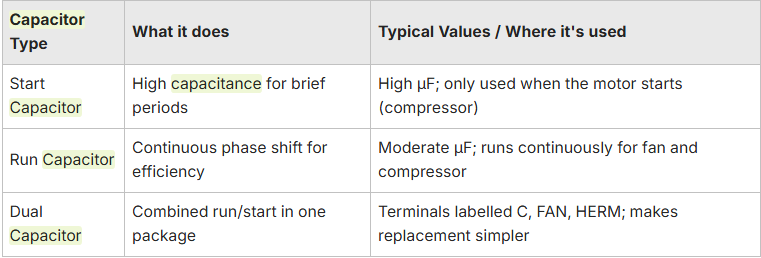
This comparison shows why matching the capacitor type and ratings matters when diagnosing issues or choosing a replacement.
What is a Start Capacitor and How Does It Provide the Initial Motor Boost?
A start capacitor supplies a short, high-capacitance pulse that significantly increases the starting oomph for compressors and other heavy-starting motors. These capacitors deliver energy only during the initial milliseconds to seconds of startup and are removed from the circuit by a start relay or centrifugal switch once the motor gets up to speed. When a start capacitor fails, the compressor often struggles or clicks without turning, and repeated attempts can overheat the motor or trip safety switches. Start capacitors handle high currents, are physically larger, and need careful handling, which is why technicians typically replace them rather than recommending DIY repairs for folks at home. Recognising this role helps folks at home spot key symptoms early and avoid further damage.
How Does a Run Capacitor Sustain Continuous Motor Operation?
A run capacitor stays connected while the motor runs and provides continuous phase-shifting capacitance that evens out the oomph and reduces how much current it draws. By optimising the phase relationship between windings, run capacitors lower energy use and keep motors cooler, extending motor life and maintaining steady airflow or refrigeration. When a run capacitor degrades, you might notice a humming fan, sluggish compressor performance, or a system that runs but delivers weak cooling. These are subtle problems that get worse if left untreated. Because run capacitors affect efficiency and longevity, spotting problems early and replacing them can save energy and prevent more expensive motor failures.
What Are Dual Capacitors and How Do They Combine Start and Run Functions?
Dual capacitors combine run and start capacitance in one metal can with three terminals, usually labelled C (common), FAN, and HERM, to serve both the fan motor and compressor in many split systems. This design saves space and makes replacement simpler, but it needs exact rating matches for each terminal’s µF and the overall voltage rating so both circuits work correctly. The main benefits are compactness and easier servicing when ratings match the system. However, a mismatched or undersized dual capacitor can cause problems for both the fan and compressor. When replacing a dual unit, technicians confirm every terminal’s rating to avoid cross circuit issues and get things running reliably again.
What Are the Common Symptoms of a Bad Air Con Capacitor?
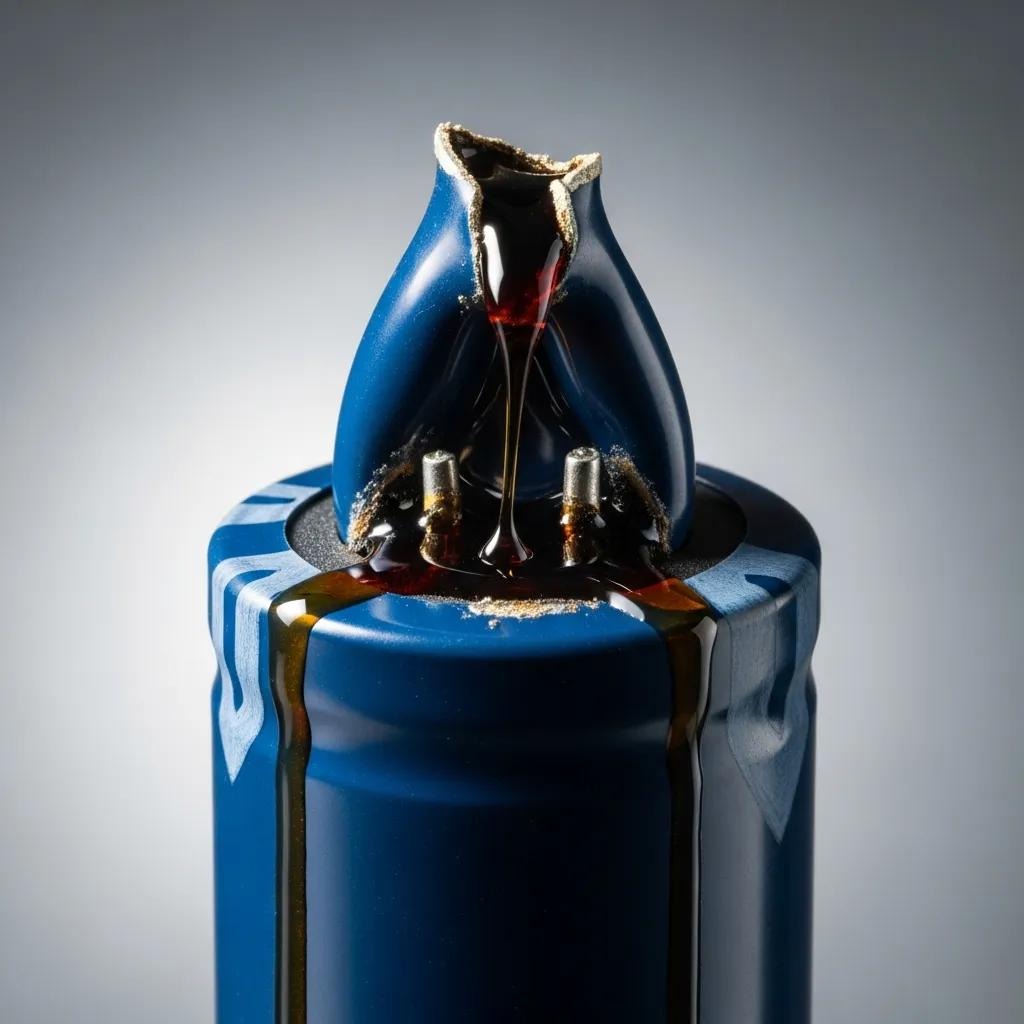
Spotting a bad air con capacitor means watching for physical signs and operational symptoms that point to a problem with its stored charge or capacitance. Physically, look for bulging tops, leaking electrolyte, corroded terminals, or cracked casings. These appear during a powered down inspection and typically mean it's time for an immediate replacement. Operational signs include humming or clicking noises, motors that try but won’t start, on-and-off operation, reduced cooling, and higher-than-normal energy use. These behaviours stem from reduced oomph or poor phase balance. Prioritising matters: visible physical damage or a unit that won’t start needs prompt professional attention to protect the compressor, while subtle performance drops can be scheduled for diagnostic service. The list below summarises the most visible symptoms for folks at home to watch out for and prioritise.
- Visible bulging or leaking: The capacitor casing looks rounded or shows electrolyte seepage.
- Humming or clicking: Motors that hum without starting often mean there's not enough start capacitance.
- On-and-off starts or slow spin-up: Repeated attempts to start or slow acceleration point to start/run problems.
- Poor cooling and higher bills: Reduced cooling efficiency and increased energy use suggest the run capacitance has degraded.
Knowing these signs helps folks at home decide whether to keep an eye on performance or schedule a professional inspection.
How Can You Recognise Physical Signs Like Bulging or Leaking?
A visual check might reveal a bulging top, dented can, or brownish electrolyte stains at the base. These are clear indicators of internal failure or venting. Always power down and isolate the outdoor unit before inspecting, and limit yourself to external observations. Do not touch terminals or attempt to discharge the capacitor. Bulging indicates internal pressure buildup, often from the breakdown of the insulating material, while leaking electrolyte means irreversible damage and a contamination risk that requires replacement. If you see any damage, stop inspecting and call a licensed technician to avoid electrical shock or further harm. These precautions set up the operational tests a technician will perform during diagnosis.
What Operational Symptoms Indicate Capacitor Failure?
Operational symptoms include persistent humming with no motor rotation, frequent circuit trips, reduced cooling despite normal airflow, and short cycling that increases compressor wear. Humming or clicking usually means the motor is trying to start but lacks the oomph it needs, consistent with low capacitance or an open start element. Reduced cooling and higher energy bills happen when a degraded run capacitor forces motors to draw more current to produce the same output, stressing other electrical parts. Matching these symptoms to likely capacitor problems helps folks at home and technicians prioritise safe testing and decide whether immediate replacement is required.
How to Test an Air Con Capacitor Safely?
Testing an air con capacitor should follow a safety first approach that favours professional diagnosis. Capacitors can hold a dangerous charge even when the system is powered down, and doing things incorrectly can cause shocks or damage. Technicians combine a visual inspection, proper discharge protocols, and capacitance measurement with a meter designed for capacitors to confirm whether the unit meets its labelled µF within tolerance. Folks at home should avoid live electrical testing. Document symptoms and any visible damage, then contact a licensed air con technician. Ozair Group recommends that all live work be performed by trained professionals who use PPE, proper discharge tools, and calibrated meters for accurate, safe diagnosis. The sub sections below explain why professional testing matters and summarise the multimeter’s role in diagnostics.
- Don't try live testing: Capacitors can retain dangerous voltage even when disconnected.
- Document visible symptoms: Note humming, bulging, or failed starts to let the technician know.
- Get licensed technicians involved: Professionals have the tools and training for safe discharge and measurement.
- Expect thorough checks: Technicians will inspect related components like contactors and relays.
Why Should Testing Be Performed by a Professional Air Con Technician?
Professional testing protects folks at home from the hazards of stored charge, incorrect reconnection, or misdiagnosis that could leave an unsafe condition or cause further equipment damage. Technicians safely isolate the unit, discharge capacitors properly, interpret capacitance readings against labelled tolerances, and spot secondary damage to contactors or the compressor that can mimic capacitor failure. They can also document findings for warranties or insurance and recommend the correct replacement that matches µF and voltage ratings without guesswork. Ozair Group stresses that safety first testing reduces the risk of shock and ensures any replacement restores performance reliably. That's why we recommend technician diagnosis over DIY attempts.
What Is the Role of a Multimeter in Testing Air Con Capacitors?
A multimeter with a capacitance function or a dedicated capacitance meter lets technicians measure the actual microfarad value and compare it to the capacitor’s nominal rating within manufacturer tolerances to work out if the part is within spec. Multimeters also check continuity and can reveal shorted windings or open circuits that point to broader electrical issues, but accurate capacitance testing requires the capacitor to be safely discharged and isolated from the circuit. Voltage and continuity readings are useful complementary checks, though capacitance measurement is the definitive test for whether a capacitor meets its µF rating. Because these tests involve stored energy and live circuit hazards, trained technicians perform them to ensure safety and proper interpretation.
When and How Should You Replace Your Air Con Capacitor?
Replace a capacitor when testing shows it’s out of tolerance, when you see visible damage, or when it has reached its end of life after repeated failures. Replacement restores proper starting oomph and running efficiency while protecting the compressor. Professional replacement includes matching the exact µF and voltage ratings, verifying correct terminal wiring (C, FAN, HERM for dual units), and checking related components like contactors and relays for further damage. Timely replacement prevents repeated hard starts that shorten compressor life and can reduce energy use by restoring correct motor phase balance. Ozair Group recommends professional replacement for safe discharge, accurate part matching, and post installation testing. Folks at home should request a diagnostic quote rather than attempting DIY swaps.
The table below outlines common cost drivers that affect the final price and explains why transparent quotes matter.
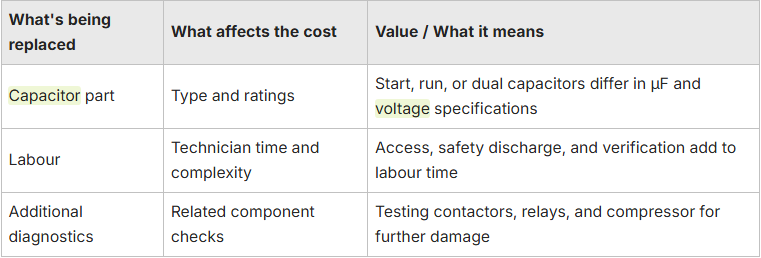
Understanding these drivers helps explain why quotes can vary and why a professional evaluation is the safest way to avoid underestimating needed repairs.
What Are the Benefits of Professional Air Con Capacitor Replacement?
Professional replacement guarantees correct part selection, safe handling of stored charge, proper terminal wiring, and comprehensive post installation testing to confirm restored performance. Technicians can identify secondary issues, like a failing contactor or a stressed compressor, that a simple part swap might miss, reducing the chance of repeat failures. A qualified technician also disposes of old capacitors according to safety best practices and provides documentation useful for warranties or future service. Ozair Group builds its service around these benefits: safety first procedures, precise part matching, and follow up testing to verify cooling performance and efficiency. Hiring a professional minimises risk for folks at home and lowers the odds of costly downstream repairs.
What Is the Typical Cost Range for Air Con Capacitor Replacement?
Costs vary mainly by capacitor type (start, run, dual), labour complexity, and whether additional diagnostics or related repairs are needed, so expect a range rather than a single price. Simple part only replacements for an accessible dual run capacitor are usually less intensive than replacing a large start capacitor in a cramped or corroded compartment where extra labour is required. Additional work, such as testing or replacing a contactor or diagnosing compressor stress, adds to the total cost. Folks at home should request quotes from licensed technicians that include diagnostic calls, part specs, and labour so comparisons reflect like for like service and avoid surprises.
How Does Preventative Maintenance Extend the Lifespan of Your Air Con Capacitor?
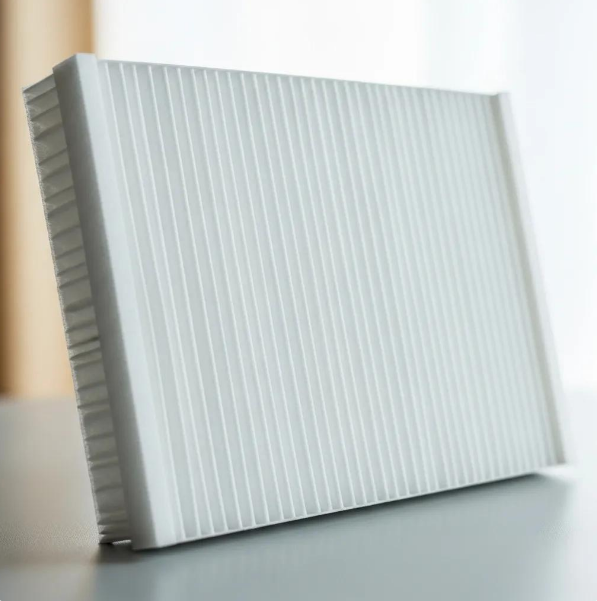
Regular preventative maintenance reduces stress on capacitors by keeping the system within optimal thermal and electrical conditions, lowering the chance of premature breakdown of the insulating material or overcurrent events. Tasks such as keeping coils clean, ensuring good airflow, replacing filters on schedule, and checking electrical connections for corrosion reduce the workload on motors and capacitors and extend component life. Scheduled professional inspections can detect early capacitor wear, measure capacitance over time, and replace marginal parts before they damage the compressor. Ozair Group recommends combining checks by folks at home with annual professional maintenance to sustain efficiency and lower long term repair costs. The following sections list safe inspections for folks at home and explain how maintenance translates into energy and cost benefits.
What Regular Inspections and Care Can Folks at Home Perform?
Safe checks for folks at home include visually inspecting the outdoor unit for debris, keeping the area around the condenser clear, changing air filters on schedule to maintain airflow, and powering down the system before any external visual inspections for bulging or leakage. Don't access electrical terminals or attempt to discharge capacitors. Leave those tasks to a technician. Keeping condenser fins clean and ensuring unobstructed airflow prevents the compressor from working harder, which lowers peak current demands on capacitors. Scheduling an annual professional inspection lets trained technicians safely test electrical components and catch capacitor wear before it becomes a failure.
How Does Proper Maintenance Improve Energy Efficiency and Reduce Costs?
Proper maintenance keeps motors running at designed efficiency, preventing excessive current draw that occurs when capacitors degrade and motors must work harder. This translates into lower energy consumption and smaller utility bills. Maintaining correct airflow, clean coils, and solid electrical connections reduces thermal and electrical stress that accelerates capacitor aging and motor wear. Replacing a marginal capacitor early is usually less costly than repairing a seized compressor or replacing a burned out motor, so preventative care saves money over time. Consistent maintenance delivers both reliability and economic value, making it a cost effective strategy for folks at home who want to avoid emergency repairs and high energy bills.
- Inspect outdoor unit clearance: Keep at least two feet of clearance and remove debris regularly.
- Change filters on schedule: Clean filters preserve airflow and reduce motor load.
- Schedule annual professional checks: Technicians can safely test capacitors and related components.
These routine actions lower the chance of sudden capacitor failure, maintain system efficiency, and make professional diagnostics more effective.


Areas we service
Oz Air covers Melbourne and its northern suburbs.

Get in touch



.png)